Tree Pruning in Millhill: Local Tree Care for Safer, Healthier, Better-Looking Trees
If you are looking for tree pruning in Millhill, you are probably trying to solve a practical problem: a tree that has become too dense, branches that are hanging over a driveway, a garden that has lost sunlight, or trees that simply need professional attention to stay in good condition. For many Millhill property owners, pruning is not just about appearance. It is also about safety, access, light, long-term tree health, and making sure your outdoor space works properly throughout the year.
Local tree pruning services are especially useful in Millhill because properties here can vary a lot. You may be dealing with compact front gardens, mature boundary trees, shared access routes, commercial car parks, or larger residential plots where trees affect neighbouring properties. A skilled local team understands how to work carefully around homes, sheds, fences, garages, pavements, and parked vehicles while keeping the tree’s structure in mind.
This page explains what professional pruning includes, when to book it, how a local service works, and what matters when choosing the right team. If you need tree pruning Millhill for a private garden, rental property, business site, or managed landscape, this information will help you decide the next step with confidence.
Why tree pruning matters for Millhill properties
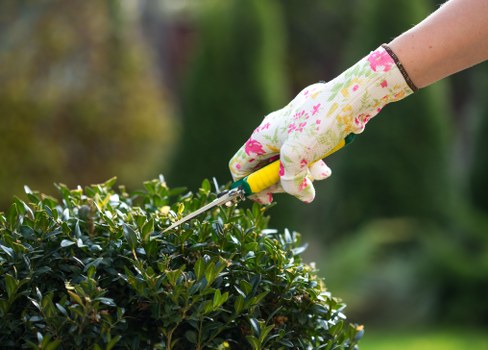
Tree pruning is the controlled removal of selected branches to improve a tree’s shape, safety, health, or function. It is different from simply cutting back everything in sight. Good pruning supports the tree while helping you solve real property issues such as low-hanging limbs, overextended growth, shading, or branches that are rubbing against buildings and other trees.
In Millhill, pruning often plays a practical role because many homes and business premises need to balance greenery with day-to-day use of space. A tree near a walkway can block visibility. A tree close to a roofline may need attention before branches start scraping tiles or gutters. In gardens, pruning can open up light for lawns, borders, and planting beds. On commercial sites, it can improve access for customers, staff, and delivery vehicles.
Well-timed pruning can also help reduce the likelihood of broken branches during windy weather. That matters in areas where trees are exposed or where branches may overhang driveways, sheds, play areas, or public-facing spaces. It is always better to manage structural issues early rather than wait until a limb fails unexpectedly.
What professional tree pruning includes

A proper pruning service is more than a quick trim. It begins with assessing the tree’s species, size, age, condition, and location. Different trees respond differently to cutting, and the wrong approach can leave the tree stressed, misshapen, or vulnerable to disease. A careful local arborist will select the right pruning method for the tree and the property.
Depending on the situation, the work may include crown thinning, crown lifting, crown reduction, deadwood removal, formative pruning for younger trees, or selective branch removal to improve clearance. Each method has a purpose. For example, crown lifting improves access underneath a tree, while crown thinning can help light and air move through the canopy without stripping the tree back too heavily.
Before work starts, a responsible team should explain what will be done and why. They should also consider the tree’s surroundings, such as fences, conservatories, power lines, neighbouring gardens, and tight side access. In Millhill, where access can sometimes be narrow or shared, planning is often just as important as the cutting itself.
Common reasons customers request tree pruning in Millhill
People arrange tree pruning in Millhill for many different reasons. Some are urgent, while others are planned as part of routine garden maintenance. If you are unsure whether pruning is needed, the list below may help you recognise a familiar issue.
- Branches overhanging roofs or gutters and causing debris build-up.
- Reduced light in gardens, side passages, or ground-floor rooms.
- Low branches blocking access along paths, driveways, or shared entrances.
- Tree limbs touching buildings, fencing, or nearby structures.
- Dense canopies that make a tree feel heavy, unbalanced, or untidy.
- Storm damage or broken branches that need careful removal.
- Improving shape after years of unchecked growth.
- Younger trees needing formative pruning to establish a good structure.
- Commercial frontage where neat, safe trees support the appearance of the site.
In residential streets around Millhill, overgrown trees can also affect neighbouring properties. Pruning can help reduce shading, prevent branches crossing boundaries, and keep the relationship between adjacent gardens more manageable. On business premises, the benefit may be as simple as making the site look well cared for and easier to move around.
Types of pruning we may carry out
Not every tree needs the same type of work. The right solution depends on the tree’s condition, species, and your goal. A reputable local service will avoid unnecessary cutting and focus on sensible, selective improvements.
Crown thinning
Crown thinning removes selected inner branches to reduce density while keeping the tree’s overall shape. This can improve air movement and allow more light through the canopy. It is often useful where a tree has become too dense but is otherwise healthy and well structured.
Crown lifting
Crown lifting involves removing lower branches to create clearance beneath the canopy. This is often requested where branches interfere with walkways, roads, driveways, parking areas, sightlines, or access to gates and buildings. It can make a space feel more open without drastically changing the tree’s appearance.
Crown reduction
Crown reduction is used when a tree needs to be made smaller in a controlled way. It should be done carefully, with attention to branch junctions and the tree’s natural form. This can help when a tree is encroaching on a roof, boundary, or utility route, or when it has simply outgrown its location.
Deadwood removal
Deadwood removal targets dead, broken, or decaying branches. These branches may fall without warning, so removing them helps improve safety and tidiness. This work is especially sensible in gardens, car parks, and public-facing spaces where branch failure could cause damage or injury.
Formative pruning for younger trees
Young trees benefit from early shaping. Formative pruning helps establish a strong framework, reduce future structural problems, and guide growth in a more manageable direction. This is a useful investment for property owners who want their trees to mature well rather than become awkward or unstable later on.
Specialist pruning for sensitive situations
Some trees are best pruned with extra care because of their age, species, condition, or location. In those cases, work should be light, targeted, and informed by the tree’s long-term needs. Thoughtful pruning is usually better than aggressive cutting, which can create weak regrowth and unnecessary stress.
How the service usually works
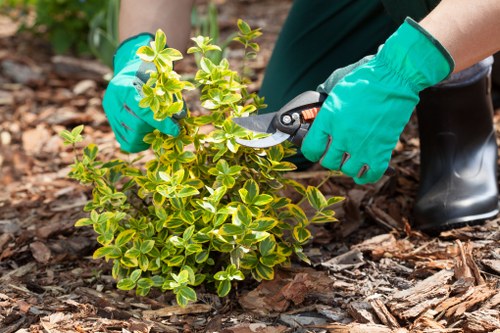
Customers often want to know what happens from the first enquiry through to the finished job. While every site is different, a typical process is straightforward and designed to keep the work efficient and safe.
- Initial discussion - You explain the issue, the tree location, and the result you want, whether that is better light, more clearance, or general maintenance.
- Site review - The tree is assessed for size, access, condition, and any surrounding risks such as fences, cables, structures, or neighbouring land.
- Pruning plan - The team decides which branches to remove and which pruning method is most suitable.
- Work preparation - Equipment is brought in, access is organised, and the area is checked for safety.
- Tree work - Pruning is carried out carefully, with debris managed as the work progresses.
- Tidy finish - Cut material is cleared away unless otherwise agreed, leaving the site neat and usable.
For many local customers, one of the biggest advantages of hiring a local team is practical coordination. If your property has narrow side access, limited parking, shared driveways, or a busy commercial forecourt, a local service is more likely to plan around those realities efficiently. That can save time, reduce disruption, and help the job go smoothly from start to finish.
Benefits of choosing local tree pruning in Millhill
There are strong reasons to use a local company for tree pruning in Millhill rather than a distant provider unfamiliar with the area. A local team is usually better placed to understand property layouts, seasonal growth patterns, and the kinds of access issues that come up across nearby residential and commercial sites.
Local knowledge also matters when trees are growing close to boundary lines or in shared spaces. A team familiar with the area is more likely to appreciate the practical details that matter to homeowners, landlords, facilities managers, and business owners. In everyday terms, that means more sensible planning and fewer avoidable complications.
Some of the main benefits include:
- Faster and more convenient site visits.
- Better understanding of local property types and layouts.
- More practical handling of narrow access and parking limits.
- Services suitable for gardens, rental properties, offices, shops, and other sites.
- Advice that reflects the needs of real Millhill customers.
It is also easier to arrange repeat maintenance when a local team already understands your trees and property. If your site has mature trees that need regular attention, that familiarity can make future pruning more efficient and less disruptive.
What a good pruning job should achieve
Professional pruning is not about making a tree look as if it has been heavily cut back. The aim is to improve the tree while keeping its natural character intact. A good outcome should feel balanced, appropriate, and practical.
After proper pruning, you should expect:
- More usable light and space around the tree.
- Better clearance for people, vehicles, and buildings.
- A tidier, more managed appearance.
- Reduced risk from dead or poorly positioned branches.
- Support for the tree’s long-term structure and health.
It is important to remember that pruning should be tailored to the tree rather than forced into a one-size-fits-all pattern. Trees are living structures, not fixed objects, and they respond best when cuts are selective and purposeful. A thoughtful approach helps the tree recover well and continue to suit the space around it.
Residential tree pruning in Millhill
Homeowners often contact us because a tree has simply become too much for the space. This may happen gradually over several years. A tree that once looked neat can start to block a window, shade a patio, drop debris into gutters, or make a garden feel smaller than it really is. In compact residential settings, even a small amount of pruning can make a noticeable difference.
For houses with front gardens, side returns, or rear lawns, pruning can improve how the space feels and functions. It can create better views, safer paths, and easier access for bins, bikes, and gardening equipment. If you have children using the garden or elderly relatives visiting, lower-risk access and clearer walkways can be especially valuable.
Many Millhill homeowners also ask about neighbourly considerations. If branches are crossing a boundary or casting excessive shade, pruning can often help restore balance. A local tree specialist can work around the property carefully and keep the process as tidy and considerate as possible.
Commercial tree pruning for Millhill businesses
Commercial customers have different priorities, and pruning often needs to fit around trading hours, customer movement, and site safety. Shops, offices, hospitality venues, schools, managed estates, and industrial or mixed-use premises may all benefit from regular tree care.
For businesses, well-maintained trees can support the overall appearance of the site while reducing hazards. Overgrown branches near entrances or parking bays can make access less convenient. Low limbs may interfere with delivery vehicles. Dense growth can affect visibility from roads, forecourts, and signage. In these settings, pruning is both a presentation issue and an operational one.
Commercial pruning is often scheduled to reduce disruption, with attention paid to access, loading, parking, and how the public uses the site. That practical approach is one of the best reasons to choose a local team that understands how Millhill businesses operate day to day.
Areas and property types covered
Tree pruning needs can arise across a wide range of local settings. In and around Millhill, work may be required at:
- Detached, semi-detached, and terraced homes.
- Private gardens and shared garden spaces.
- Rental properties and managed residential blocks.
- Offices, retail units, and hospitality premises.
- Car parks, forecourts, and access roads.
- Schools, community buildings, and managed grounds.
- Boundary lines, side passages, and rear access areas.
Because the needs of each site differ, pruning should always be planned around the space available. A tree beside a narrow alleyway presents different challenges from one standing in an open lawn or close to a customer entrance. Local knowledge helps make those decisions practical rather than generic.
How to prepare for a pruning visit
Most tree pruning jobs are straightforward for the customer, but a little preparation can make the visit smoother. If you are arranging tree pruning in Millhill, the following checklist is a useful starting point.
Preparation checklist
- Clear access to gates, side passages, and the work area if possible.
- Move vehicles, garden furniture, toys, and fragile items away from the tree.
- Let the team know about shared access arrangements or parking restrictions.
- Identify any plants, ornaments, or surfaces you particularly want protected.
- Tell the team if branches are close to structures, cables, or neighbouring property.
- Discuss whether you want all cut material removed or left for your own use if appropriate.
If access is tight, do not worry. Many Millhill sites have practical limitations, and a good tree care team will plan accordingly. The main benefit of giving clear information in advance is that the work can be arranged more efficiently and with fewer surprises on the day.
Pricing factors to consider
Customers often want to know what affects the cost of pruning, even if they are not looking for an instant figure. The exact price depends on the site and the work required, so it is usually best to request a tailored quote after the tree has been reviewed.
Factors that can affect pricing include:
- The size and height of the tree.
- The type of pruning needed.
- How much material is being removed.
- Access to the tree and space for equipment.
- Whether the tree is near buildings, roads, or boundaries.
- The amount of debris that needs to be cleared away.
- Any special care needed for delicate surroundings or multiple trees on the site.
In general, easier access and lighter pruning tend to be simpler to plan than large, complex work in a confined space. That said, a local company should always explain the job clearly so you understand what is involved before you commit.
Why pruning should not be rushed
Although tree pruning may look simple from a distance, poor cuts can create real problems. Excessive reduction, incorrect branch removal, and repeated heavy cutting can leave trees with weak growth, poor form, and a greater risk of long-term decline. In some cases, a tree may respond by producing lots of thin regrowth that becomes difficult to manage later.
This is why it matters to use a team that understands both tree structure and practical site conditions. A sensible pruning approach will aim to solve the immediate issue while still respecting the future of the tree. That balance is especially important for mature trees in gardens or business settings where the tree contributes to the overall appearance of the site.
In short, good pruning should make life easier now without creating bigger problems later. That simple idea is often what separates professional tree care from quick but unhelpful cutting.
Frequently asked questions
How often should trees be pruned?
The right frequency depends on the species, age, growth rate, and location of the tree. Some trees need only occasional attention, while others benefit from more regular maintenance. A local assessment is the best way to decide what schedule makes sense for your property.
Can pruning help a tree grow better?
Yes, when done correctly. Selective pruning can improve structure, reduce weak crossings, remove damaged branches, and guide growth. For younger trees in particular, formative pruning can have a lasting positive effect.
Will pruning make the tree unsafe?
Proper pruning is intended to improve safety, not reduce it. Problems usually arise when cuts are too heavy, poorly placed, or repeated without a plan. That is why experience and careful judgment matter.
What if my tree is close to a neighbour’s garden?
That is a common situation in Millhill. Branches that cross boundaries or create access issues can often be managed with careful pruning. It is sensible to communicate clearly and ensure the work is done in a considerate way.
Do I need to prepare anything before the team arrives?
Usually just basic access and a cleared work area. If there are specific items you want protected or a particular parking arrangement on your street, it helps to mention that before the visit.
Can pruning be done on commercial properties?
Yes. Tree pruning is often arranged for business premises, managed estates, schools, and other commercial sites. The work can usually be scheduled to reduce disruption for staff and visitors.
Signs your tree may need attention soon
Sometimes the need for pruning is obvious, but other times the signs build up slowly. If you are unsure whether it is time to book a service, watch for the following:
- Branches brushing against walls, roofs, or windows.
- Heavy shade where there used to be more daylight.
- Dead, cracked, or hanging limbs.
- Canopies that look crowded or uneven.
- Blocked driveways, paths, or access points.
- Repeated leaf or twig buildup on gutters and surfaces.
- Branches growing into neighbouring areas.
If one or more of these apply, it is worth arranging a visit. Early pruning is usually easier to manage than waiting until the tree becomes a bigger nuisance or a more serious hazard.
Choosing the right local team
When selecting a service for tree pruning in Millhill, look for a company that listens carefully, explains the work clearly, and treats the property with respect. The best teams do not rush to cut. They assess, plan, and then carry out the job in a way that suits both the tree and the site.
Useful questions to ask before booking include:
- What type of pruning do you recommend for this tree?
- How will access be handled on my property?
- Will the work be suitable for a residential or commercial setting?
- What will happen to the branches and cut material?
- How do you plan to protect nearby surfaces and structures?
Clear answers to these questions help you choose a team with the right approach. You want someone who understands the practical side of local tree care and can work neatly around the realities of your property.
Book tree pruning in Millhill with confidence
Whether your tree is blocking light, touching a building, interfering with access, or simply overdue for care, a professional pruning service can make a real difference. For Millhill customers, the value lies not only in the cutting itself but also in the local knowledge, careful planning, and tidy finish that come with an experienced team.
From small garden trees to larger boundary specimens and commercial site planting, pruning should always be handled with attention to detail. If you want your tree to look better, function better, and remain in better condition over time, professional tree pruning is a sensible investment in the space around it.
Contact us today to discuss your tree, request a free quote, or arrange a visit. If you are ready to improve safety, light, and access on your property, book your service now and take the first step toward healthier, better-managed trees in Millhill.